1970 Bhola cyclone
Deadliest tropical cyclone on record, striking East Pakistan in 1970.

From a variety of images credited above. · CC BY 4.0
The 1970 Bhola cyclone, also known as the Great Cyclone of 1970, was the deadliest tropical cyclone on record and one of the deadliest humanitarian disasters ever recorded.
- Formed
- 7 November 1970
Lore & Background
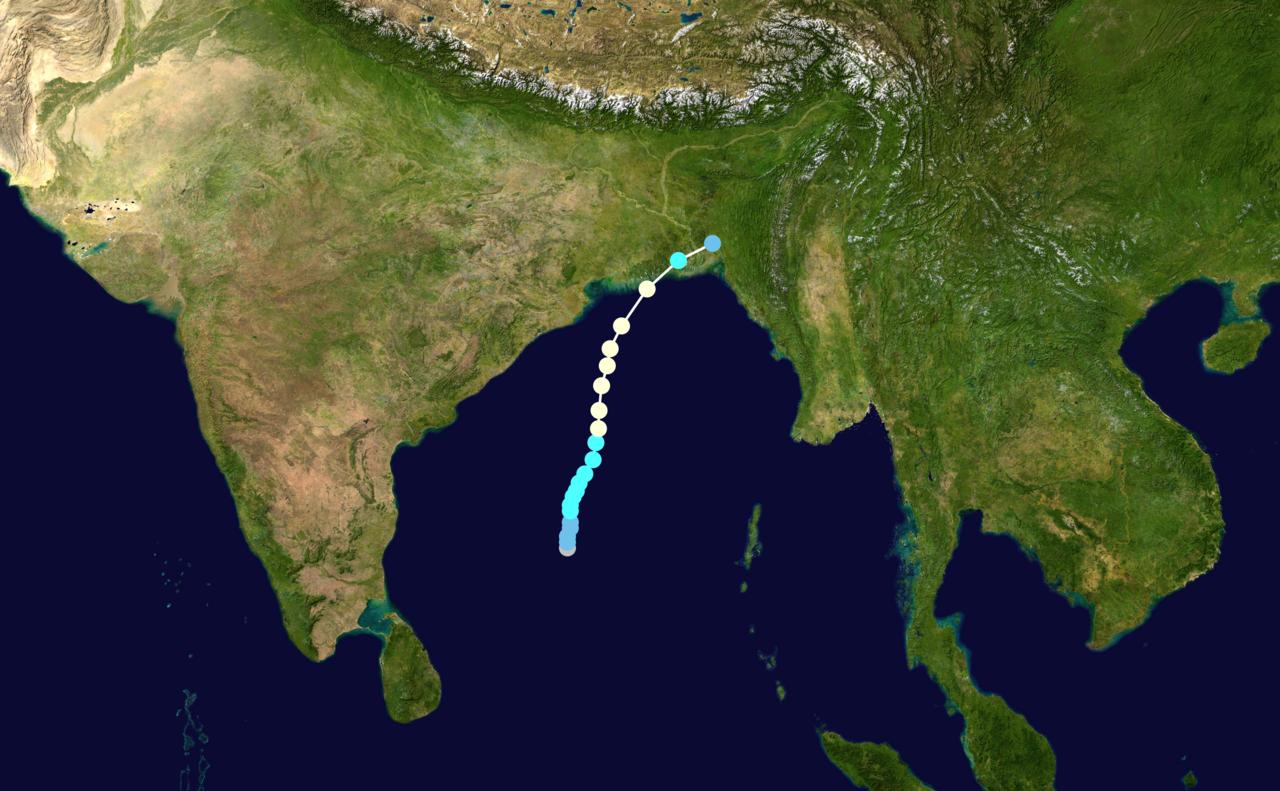
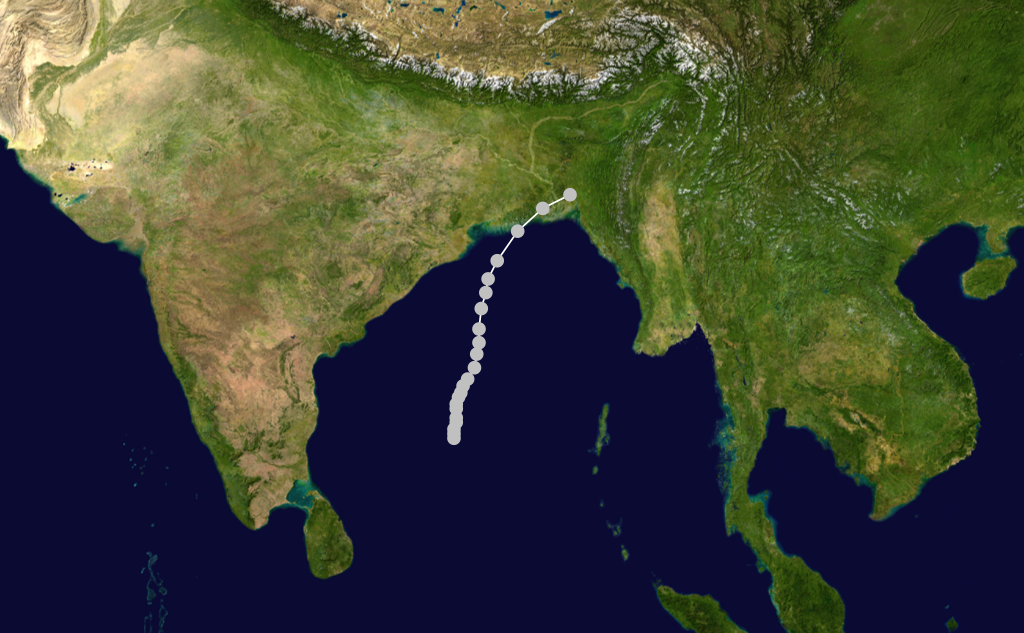
The cyclone formed over the central Bay of Bengal on 7 November from a remnant low-pressure area associated with an unnamed tropical storm in the South China Sea. It made landfall on the East Pakistan coast on the evening or night of 12 November, coinciding with local high tide, producing a storm surge of 6 to 10 metres at the Ganges Delta. The surge devastated offshore islands, wiping out villages and crops.
Reader's Guide
The Bhola cyclone remains the deadliest tropical cyclone in recorded history, with a death toll comparable to the 1976 Tangshan earthquake, the 2004 Indian Ocean earthquake, and the 2010 Haiti earthquake. The Pakistani government, led by General Yahya Khan, was criticized for its delayed and discriminatory relief response, which fueled disillusionment in East Pakistan. This contributed to the Awami League's landslide victory in the election a month later and the Bangladesh Liberation War seven months later. The storm also caused severe agricultural and fishing losses, destroyed 85% of homes in affected areas, and led to increased cholera and typhoid cases. The disaster highlighted the vulnerability of the Bay of Bengal coast and the need for improved warning systems.
Did You Know?
- The Bhola cyclone was the sixth and strongest cyclonic storm of the 1970 North Indian Ocean cyclone season.
- Over 3.6 million people were directly affected, and 90% of marine fishermen in the region suffered heavy losses.
Meteorological Genesis and Peak Fury
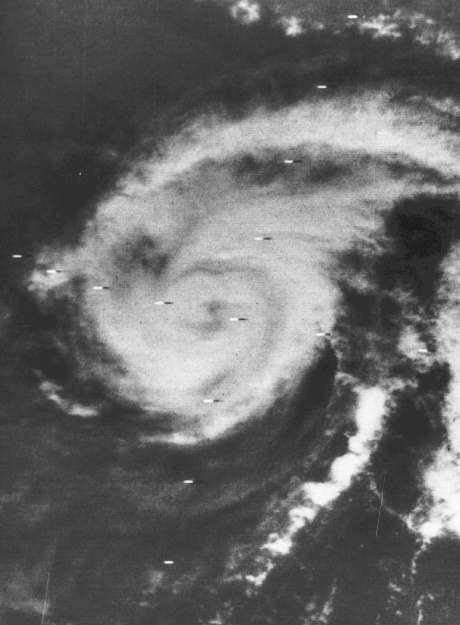
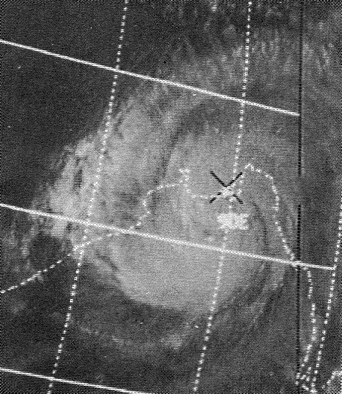
The Bhola cyclone's origins trace back to the remnants of Tropical Storm Nora, which had dissipated over the Gulf of Thailand in early November before drifting west across the Malay Peninsula. Those leftover atmospheric ingredients seeded a fresh depression in the central Bay of Bengal on the morning of 8 November 1970. The system crept slowly northward, earning a cyclonic storm designation the following day, then stalled briefly near 14.5°N 87°E before accelerating toward the bay's head. By 11 November it had strengthened into a severe cyclonic storm with a well-defined eye, turning northeastward as it approached the coast. Its peak came with three-minute sustained winds of 185 km/h, one-minute gusts reaching 240 km/h, and a central pressure of 960 hPa. The storm struck the East Pakistan coastline on the evening of 12 November, arriving at nearly the same moment as local high tide—a timing that amplified the surge. Over land it shed strength quickly, degrading to a remnant low over southern Assam by the next evening.
A Tidal Wall of Destruction
The true horror of the Bhola cyclone was not the wind alone but the monstrous surge it drove into the Ganges Delta. A ten-metre wall of seawater inundated the low-lying islands, and in the port city of Chittagong the tide rose roughly four metres above average, of which 1.2 metres was pure storm surge. The Chittagong meteorological station logged sustained winds of 144 km/h before its anemometer was torn away, and a ship in harbour recorded a peak gust of 222 km/h shortly after. Radio Pakistan announced that not a single person survived on the thirteen islands dotting the waters near Chittagong. Aerial reconnaissance confirmed total devastation across the southern half of Bhola Island, while rice fields on Bhola, Hatia, and the adjacent mainland were obliterated. In the upazila of Tazumuddin, more than 45 percent of the 167,000 residents perished. Over 3.6 million people were directly affected, and the final death toll—estimated between 300,000 and 500,000—makes this the single deadliest tropical cyclone in recorded history.
Warnings That Came Too Late or Not at All
The failure to protect the coastal population before the storm hit remains one of the tragedy's most painful dimensions. Tensions between India and Pakistan at the time raised serious questions about whether meteorological data gathered by Indian weather authorities was ever relayed to East Pakistani officials. The Pakistan Meteorological Department did issue a danger-preparedness advisory on the day of landfall, and Radio Pakistan broadcast a great-danger signal as the storm closed in. Yet survivors later recalled that this phrasing carried no real meaning to them; they had been conditioned to recognise a No. 1 warning as the ultimate alert. The situation was not without precedent: after the October 1960 cyclone killed at least 16,000 people, the central government sought American help, and Gordon Dunn of the National Hurricane Center produced a detailed 1961 report with recommendations for a better warning and evacuation system. Those recommendations were never fully implemented. In the aftermath, General Yahya Khan's military government drew sharp criticism from both East Pakistani political figures and international journalists for the sluggish pace of relief operations.
A Catalyst for a Nation's Birth
The Bhola cyclone's legacy extends far beyond the meteorological record. The perceived indifference and discriminatory treatment of East Pakistani victims by the West Pakistan–based military government deepened a sense of political alienation that had been building for years. That disillusionment translated into the ballot box just one month later, when the Awami League swept the provincial election in a landslide. Seven months after the storm, that political fracture erupted into the Bangladesh Liberation War, ultimately producing an independent Bangladesh. In the broader context of global disasters, the Bhola cyclone's death toll is comparable to the 1976 Tangshan earthquake, the 2004 Indian Ocean tsunami, and the 2010 Haiti earthquake, though uncertainty in the figures for all four events means it may never be possible to declare definitively which was the deadliest. As the sixth and most intense cyclone of the 1970 North Indian Ocean season, it stands as a stark reminder of how vulnerable the Bay of Bengal coast remains and how political failure can turn a natural catastrophe into a humanitarian and political earthquake.
Gallery
Frequently Asked Questions
Who is 1970 Bhola cyclone?
The 1970 Bhola cyclone, sometimes called the Great Cyclone of 1970, was a catastrophic tropical storm that made landfall in East Pakistan and India's West Bengal on November 12, 1970. It remains the single deadliest tropical cyclone ever documented in meteorological records.
Why is 1970 Bhola cyclone important?
It stands as the deadliest tropical cyclone on record and one of the worst natural-disaster death tolls in human history. Its legacy includes major reforms in early-warning systems and disaster preparedness across the Bay of Bengal region.
When and where did 1970 Bhola cyclone form?
The system developed on November 7, 1970, over the Bay of Bengal before tracking toward the coast. It struck the Ganges Delta region on November 12, hitting the islands of what is now Bangladesh and the neighboring Indian state of West Bengal.
More in Natural Disasters 1-15
Spotted an error? Know more?
This is a living reference — every entry is fact-audited, and reader corrections feed straight into our audit queue. Suggest an edit · See this site's audit record