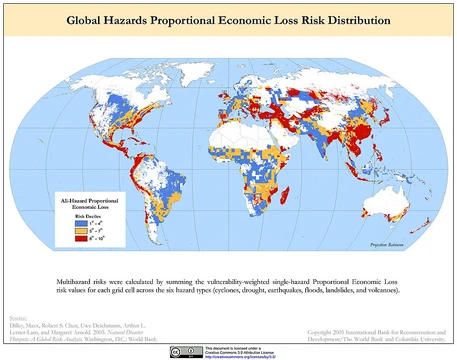
2010 Haiti earthquake
A magnitude 7.0 earthquake devastated Haiti on 12 January 2010.

U.S. Geological Survey · CC0
The 2010 Haiti earthquake was a catastrophic magnitude 7.0 Mw earthquake that struck Haiti at 16:53 local time on Tuesday, 12 January 2010. Its epicenter was near the town of Léogâne, approximately 25 kilometers west of Port-au-Prince, the capital. The earthquake caused massive destruction, killed tens of thousands, and is considered the deadliest natural disaster of the 21st century for a single country.
- date
- 12 January 2010
- magnitude
- 7.0 Mw
- epicenter
- Near Léogâne, Ouest department, Haiti
- depth
- 13 km
- people_affected
- Approximately 3 million
Lore & Background
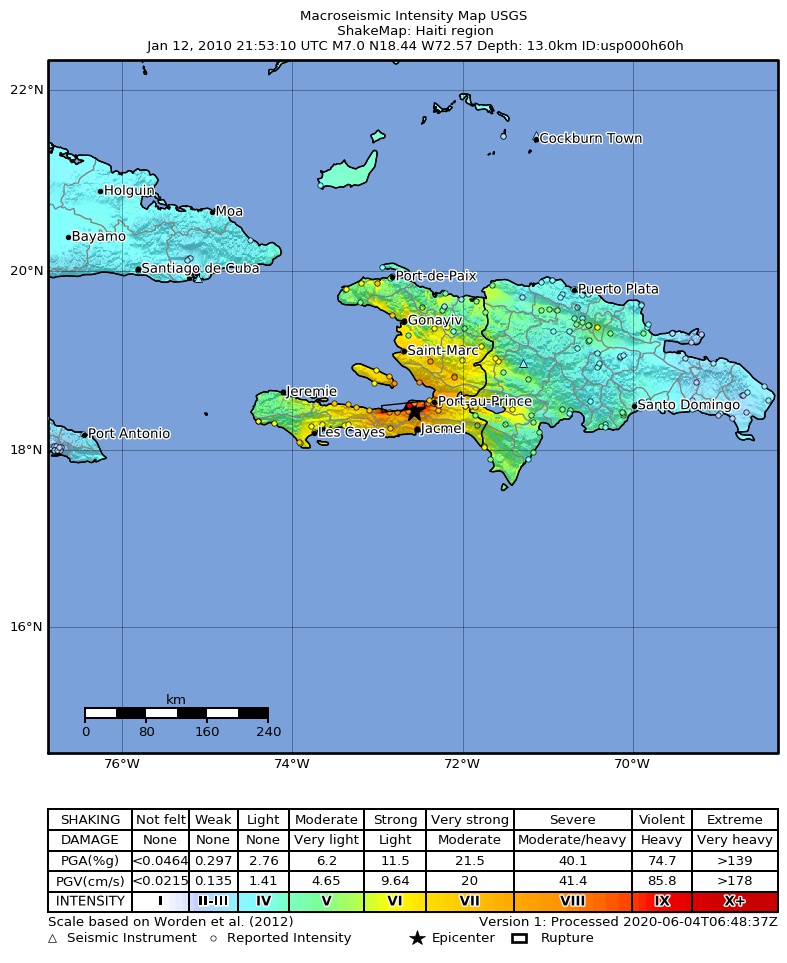
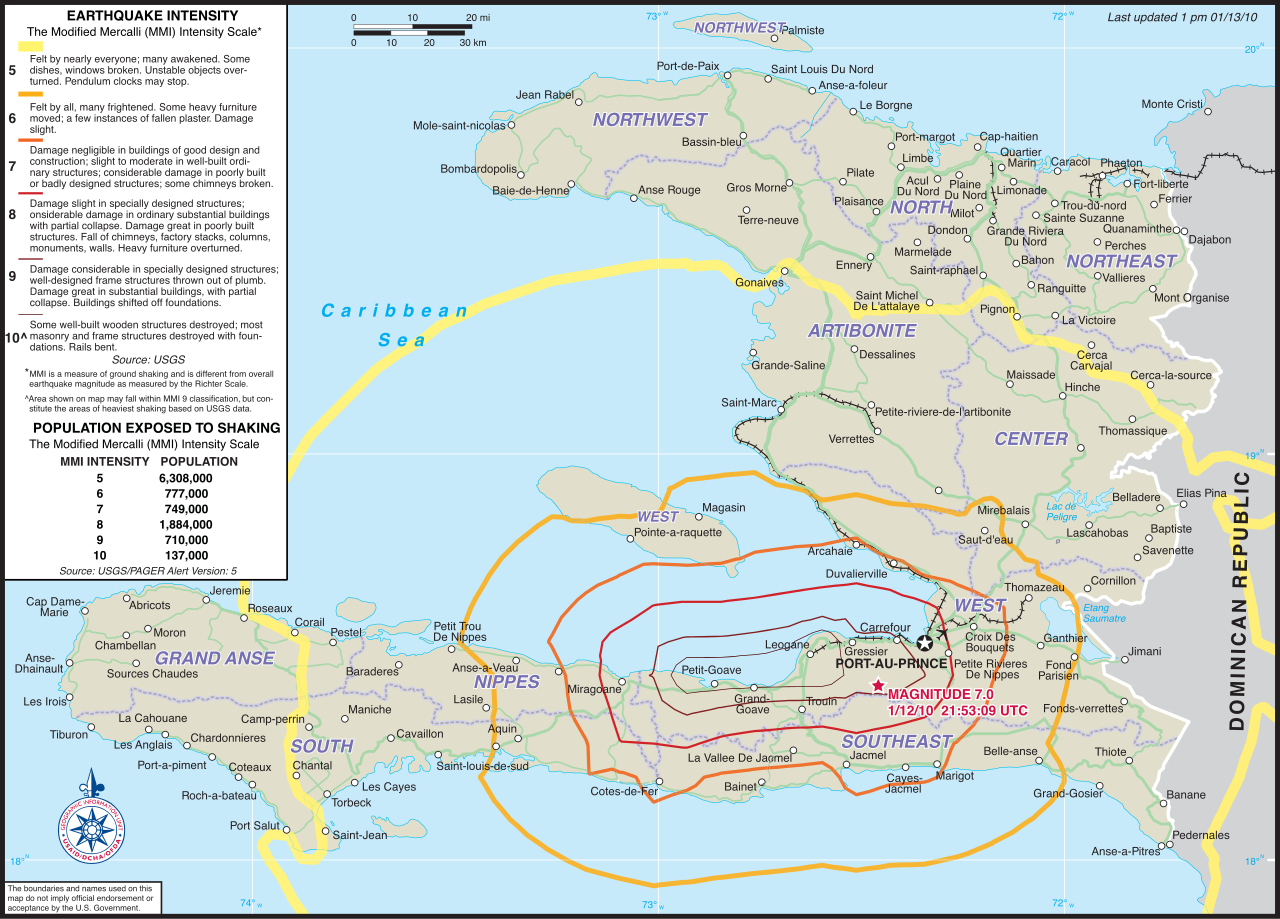
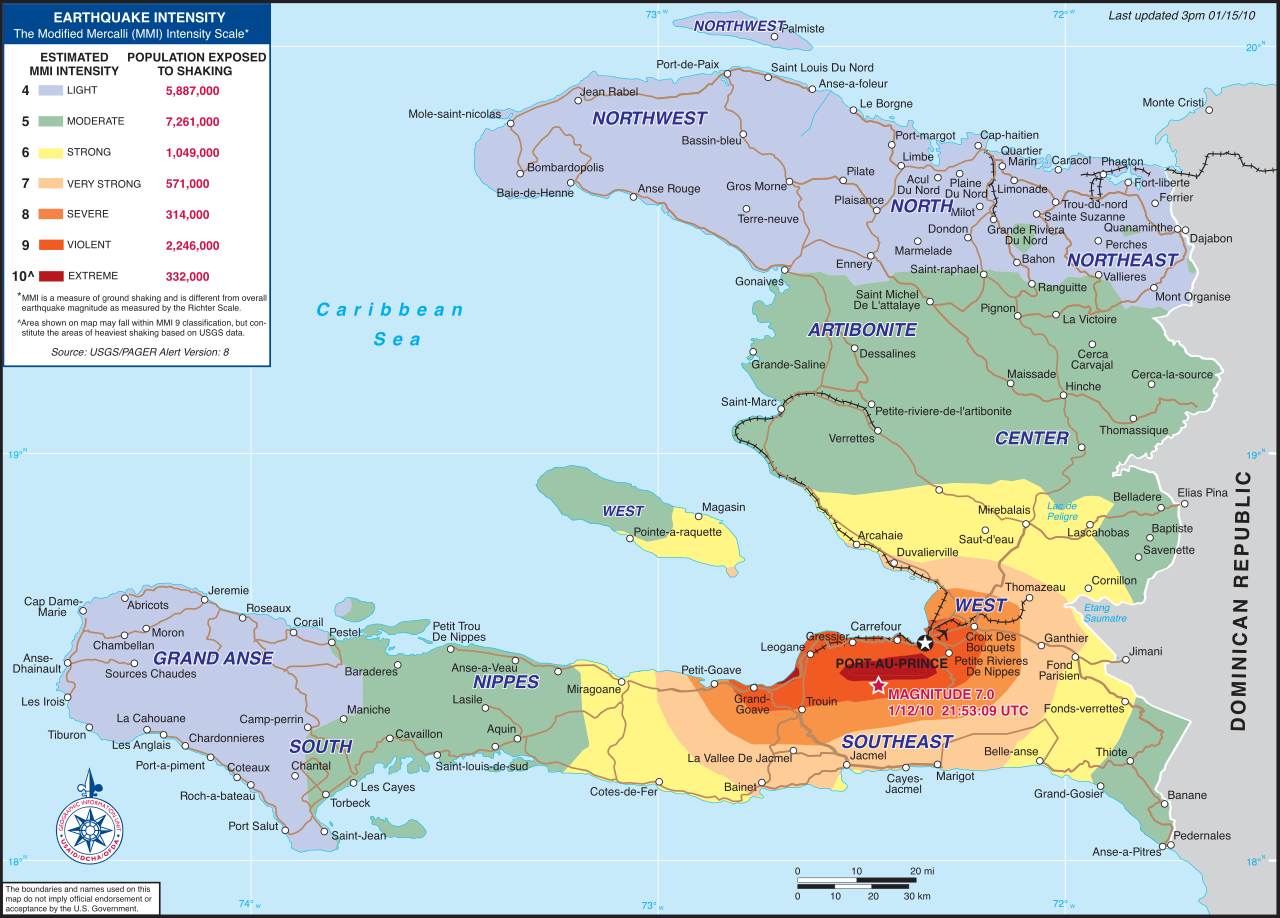
The earthquake occurred on a blind thrust fault associated with the Enriquillo-Plantain Garden fault system, which had been locked for 250 years. The rupture was roughly 65 km long with mean slip of 1.8 meters. Strong shaking of intensity IX on the Modified Mercalli scale was recorded in Port-au-Prince and its suburbs. The quake lasted less than 30 seconds and was felt in several surrounding countries, including Cuba, Jamaica, Venezuela, Puerto Rico, and the Dominican Republic. By 24 January, at least 52 aftershocks measuring 4.5 or greater had been recorded, with the strongest aftershock (magnitude 5.9) striking on 20 January near Petit-Goâve.
Reader's Guide
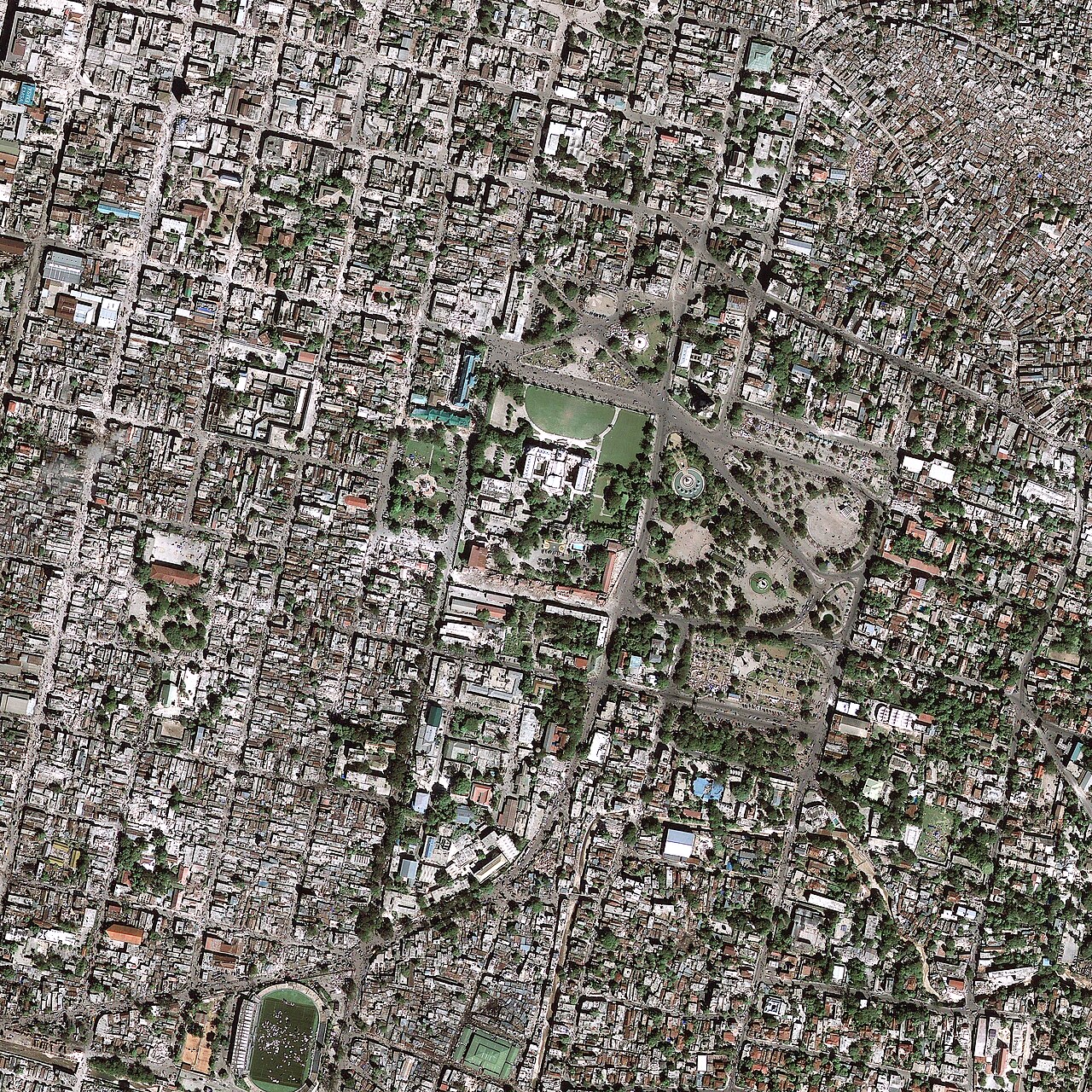
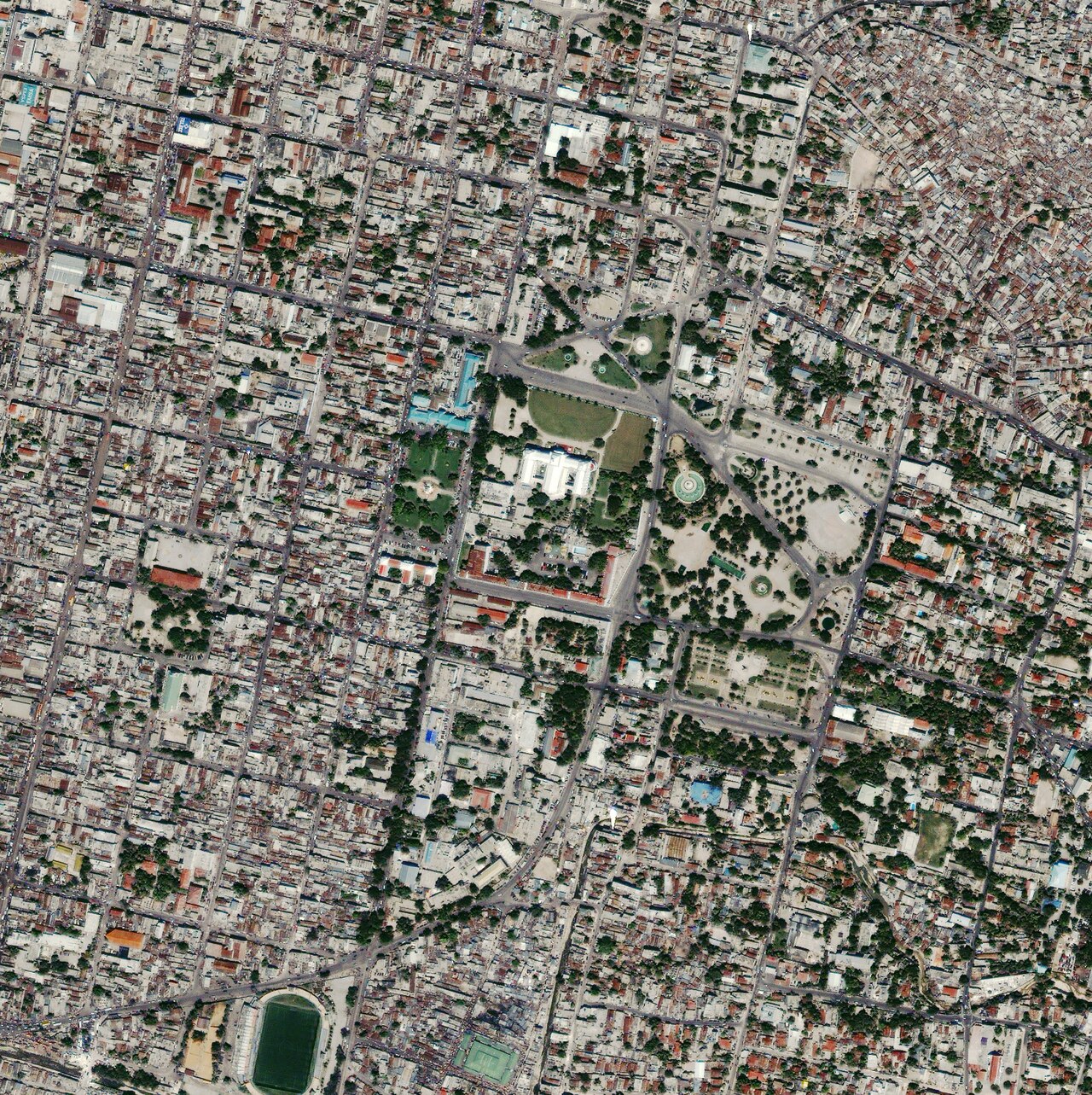
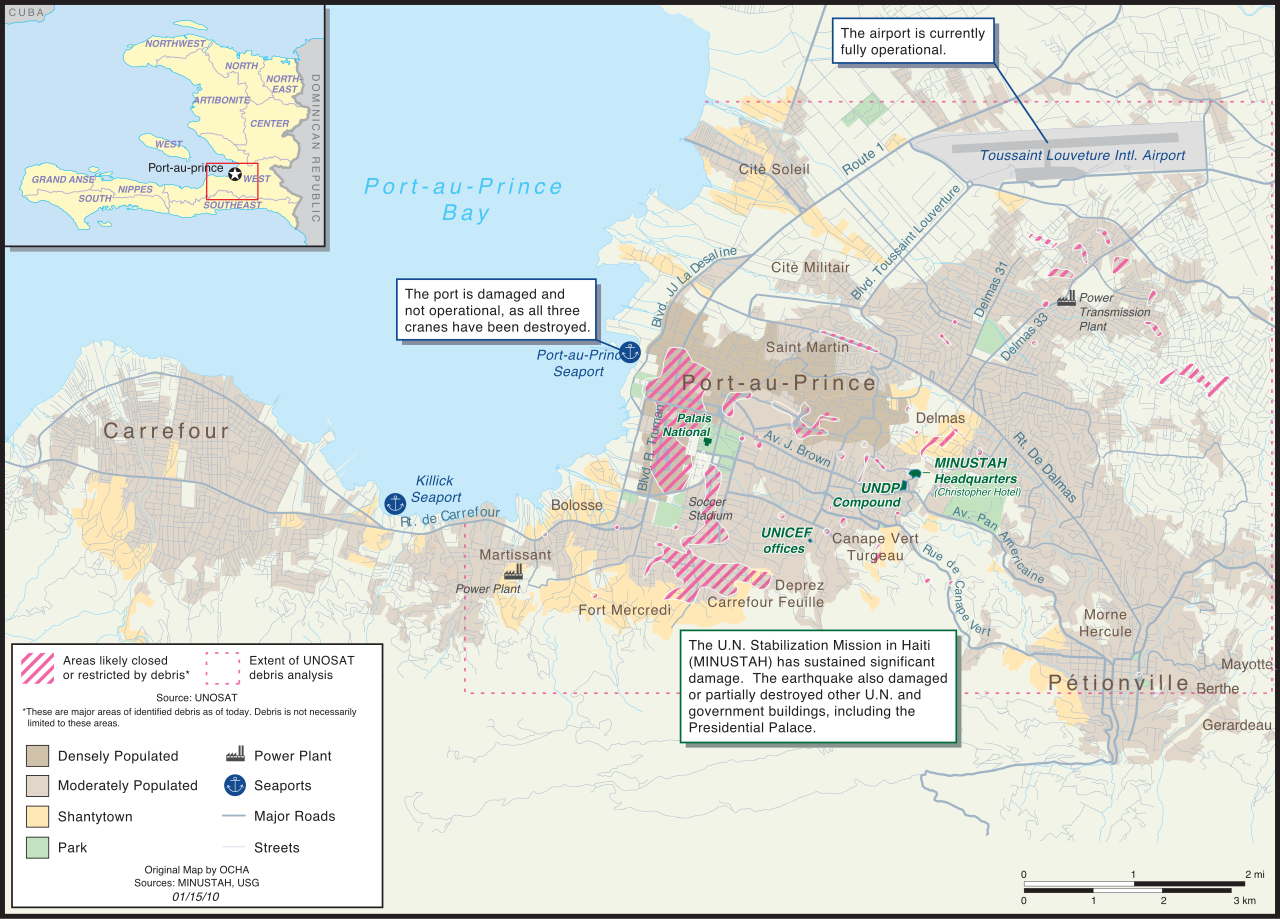
The 2010 Haiti earthquake caused major damage in Port-au-Prince, Jacmel, and other cities. Notable landmarks destroyed included the Presidential Palace, the National Assembly building, the Port-au-Prince Cathedral, and the main jail. Among the dead were Archbishop Joseph Serge Miot and opposition leader Micha Gaillard. The headquarters of the United Nations Stabilization Mission in Haiti (MINUSTAH) collapsed, killing many, including mission chief Hédi Annabi. Haiti's history of national debt, prejudicial trade policies, and foreign intervention contributed to existing poverty and poor housing conditions that increased the death toll. Rescue and aid efforts were hampered by damaged communication systems, transport facilities, hospitals, and electrical networks, as well as confusion over leadership and air traffic congestion. The most-watched telethon in history, Hope for Haiti Now, aired on 22 January, raising US$58 million. By 23 January, the Haitian government officially called off the search for survivors.
Did You Know?
- The earthquake is the deadliest natural disaster of the 21st century for a single country.
- The strongest aftershock, magnitude 5.9, struck on 20 January near Petit-Goâve, collapsing seven buildings.
- The most-watched telethon in history, Hope for Haiti Now, aired on 22 January and raised US$58 million.
The Seismic Event
On the afternoon of 12 January 2010, at 16:53 local time, a magnitude 7.0 Mw earthquake ripped through the island of Hispaniola in under thirty seconds. The rupture originated roughly 25 kilometres west of Port-au-Prince, near the town of Léogâne, at a shallow depth of about 13 kilometres along blind thrust faults linked to the Enriquillo-Plantain Garden fault system. Seismologists later determined there was no visible surface rupture and that the event likely involved slip across multiple blind thrust planes rather than a single lateral break on the main Enriquillo fault, which had been accumulating left-lateral strain for approximately 250 years. The Caribbean tectonic plate, shifting eastward by roughly 20 millimetres each year relative to the North American plate, was the broader driver of that stored energy. In Port-au-Prince and its suburbs, shaking reached intensity IX on the Modified Mercalli scale, while tremors were felt as far away as Guantánamo in Cuba, Kingston in Jamaica, Caracas in Venezuela, and Santo Domingo in the Dominican Republic. The U.S. Geological Survey estimated that around 3.5 million people lived in zones experiencing intensity VII through X, and by 24 January at least 52 aftershocks of magnitude 4.5 or greater had been logged.
Human Toll and Structural Devastation
The earthquake stands as the deadliest natural disaster of the twenty-first century to strike a single nation. Estimates of those killed range from 100,000 to roughly 160,000, while the Haitian government's own figures placed the toll between 220,000 and 316,000, a range that remains contested. Approximately three million people were affected overall. The physical destruction was staggering: an estimated 250,000 homes and 30,000 commercial structures either collapsed or sustained severe damage. Iconic landmarks in Port-au-Prince, Jacmel, and surrounding cities were among the casualties—the Presidential Palace, the National Assembly building, the Port-au-Prince Cathedral, and the city's main prison all suffered catastrophic damage. Among the dead were Archbishop Joseph Serge Miot and opposition political figure Micha Gaillard. The United Nations Stabilization Mission headquarters in the capital came down, killing mission chief Hédi Annabi and many others. Analysts pointed to Haiti's long history of national debt, trade policies imposed by other nations, and repeated foreign intervention as factors that had deepened poverty and weakened the housing stock, thereby amplifying the death toll far beyond what the seismic force alone would have produced.
International Response and the Relief Struggle
Within days, governments around the world answered appeals for humanitarian assistance, pledging financial support and sending rescue crews, medical personnel, engineers, and logistical staff. The telethon Hope for Haiti Now, broadcast on 22 January, became the most-watched of its kind in recorded history and had raised US$58 million by the following day. Yet the very infrastructure that relief depended on had been shattered. Communication networks, airports, roads, seaports, hospitals, and the electrical grid were all damaged, crippling the flow of aid. Confusion over chain of command, severe air-traffic congestion at the capital's airport, and disputes over which flights to prioritise further slowed operations. Port-au-Prince's morgues quickly became overwhelmed by tens of thousands of bodies, forcing mass burials. As active rescue efforts wound down, the focus shifted to food, medical care, and sanitation. Delays in distributing supplies provoked angry outcries from aid workers and survivors alike, and episodes of looting and sporadic violence surfaced. On 22 January the United Nations acknowledged that the acute emergency phase was drawing to a close, and the next day the Haitian government formally ended the search for survivors.
A Long History of Seismic and Environmental Vulnerability
The island of Hispaniola has a well-documented record of devastating earthquakes stretching back centuries. During Haiti's period as a French colony, the historian Moreau de Saint-Méry recorded that in 1751 only one masonry building had not collapsed in Port-au-Prince, and he described the 1770 quake as bringing down the whole city. On 7 May 1842, a powerful earthquake destroyed Cap-Haïtien, other northern towns, portions of the Dominican Republic, and the Sans-Souci Palace. A magnitude 8.0 event on 4 August 1946 generated a tsunami that killed 1,790 people. Beyond seismic threats, the island is regularly battered by tropical cyclones; in the summer of 2008 alone, Tropical Storm Fay and hurricanes Gustav, Hanna, and Ike combined to cause nearly 800 deaths. Haiti, the poorest nation in the Western Hemisphere and ranked 149th of 182 countries on the Human Development Index, was already flagged by the Australian government's travel advisory as unlikely to cope with a major disaster, and the Food and Agriculture Organization classified it as economically vulnerable. These structural weaknesses meant that when the 2010 quake struck, the country had very little capacity to absorb the blow.
Gallery
Frequently Asked Questions
Who is 2010 Haiti earthquake?
This entry refers to a powerful seismic event that struck the island nation of Haiti in early January 2010. It registered at 7.0 momentary magnitude and hit just west of the capital, Port-au-Prince.
What are 2010 Haiti earthquake's powers/role?
Its raw force came from tectonic energy released at a shallow depth of roughly 13 kilometers, sending violent shaking through the region. The resulting destruction leveled structures across the capital and surrounding areas, affecting approximately three million people.
Why is 2010 Haiti earthquake important?
It is widely regarded as the deadliest single natural disaster of the 21st century to strike one country. The event also exposed critical gaps in building standards and disaster preparedness in vulnerable, low-income nations.
Where and when does 2010 Haiti earthquake appear?
The event occurred on Tuesday, 12 January 2010, at approximately 4:53 PM local time. Its epicenter sat near the town of Léogâne in the Ouest department, roughly 25 kilometers west of Port-au-Prince.
More in Natural Disasters 1-15
Spotted an error? Know more?
This is a living reference — every entry is fact-audited, and reader corrections feed straight into our audit queue. Suggest an edit · See this site's audit record