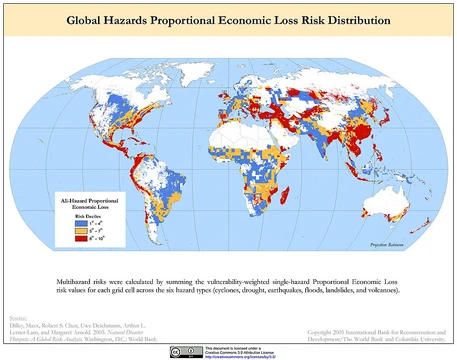
Great Famine (Ireland)

Jim TeVogt · CC BY-SA 2.0
It constituted a major historical social crisis and had a significant impact on Irish society and history. The most severely affected areas were in western and southern Ireland—where the Irish language was dominant—hence, in Irish, the period was contemporaneously known as an Drochshaol, which translates to 'the bad life' and loosely translates to 'the hard times'. Debate exists regarding nomenclature for the event, including whether to use the terms 'Famine', 'Potato Famine' or 'Great Hunger'.
- population_before
- approximately 8.5 million
- population_after_1901
- 4.4 million
- estimated_deaths
- roughly one million
- estimated_emigrants_1845_1855
- at least 2.1 million
- known_for
- mass starvation, disease, and mass emigration from Ireland
Lore & Background
The proximate cause of the famine was the infection of potato crops by blight throughout Europe. Longer-term reasons for the scale of the famine's impact included the system of absentee landlordism and single-crop dependence. Initial government actions to alleviate famine distress, which were constructive but limited, were ended by a new Whig administration in London that pursued a laissez-faire economic doctrine. Some members of the British government believed that the famine was divine judgement or that the Irish lacked moral character. Aid resumed only to some degree at a later stage. Large quantities of food were exported from Ireland during the famine, and the refusal of London to bar such exports, as had been done on previous occasions, was an immediate and continuing source of controversy.
Reader's Guide
The Great Famine is considered a defining moment in the history of Ireland. Its effects permanently changed the island's demographic, political, and cultural landscape, producing an estimated 2 million refugees and spurring a century-long population decline. The controversy over food exports contributed to the exacerbation of the Irish issue in British politics, the intensification of anti-British sentiment, the intensification of Irish nationalism and the campaign for independence. The famine indirectly resulted in the eviction of tens of thousands of households, a situation exacerbated by a provision that forbade access to workhouse aid for those possessing more than one-quarter acre of land. Strained relations between many Irish people and the then ruling British government worsened further because of the famine, heightening ethnic and sectarian tensions and boosting nationalism and republicanism both in Ireland and among Irish emigrants around the world.
The Scale of Human Loss
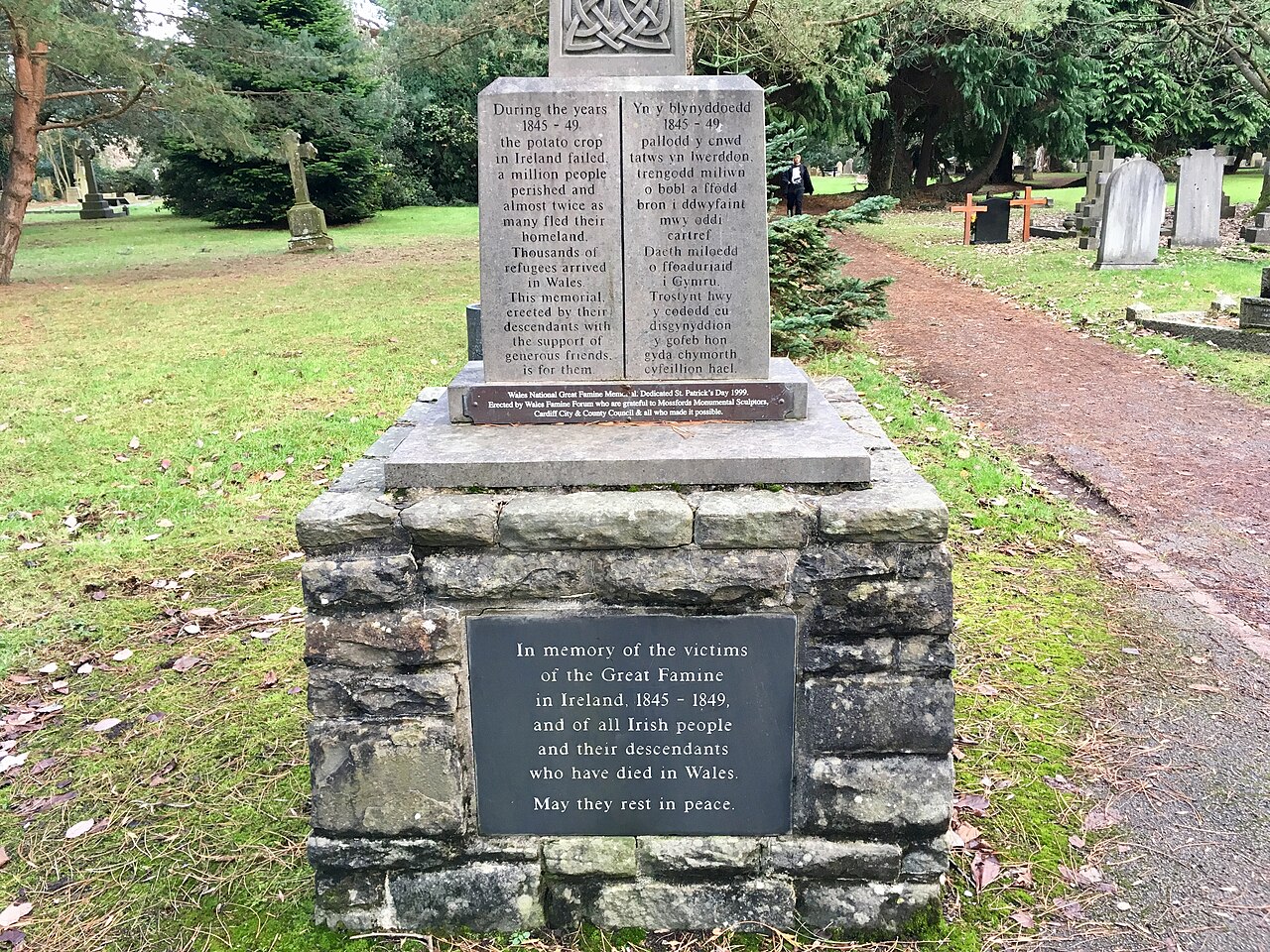
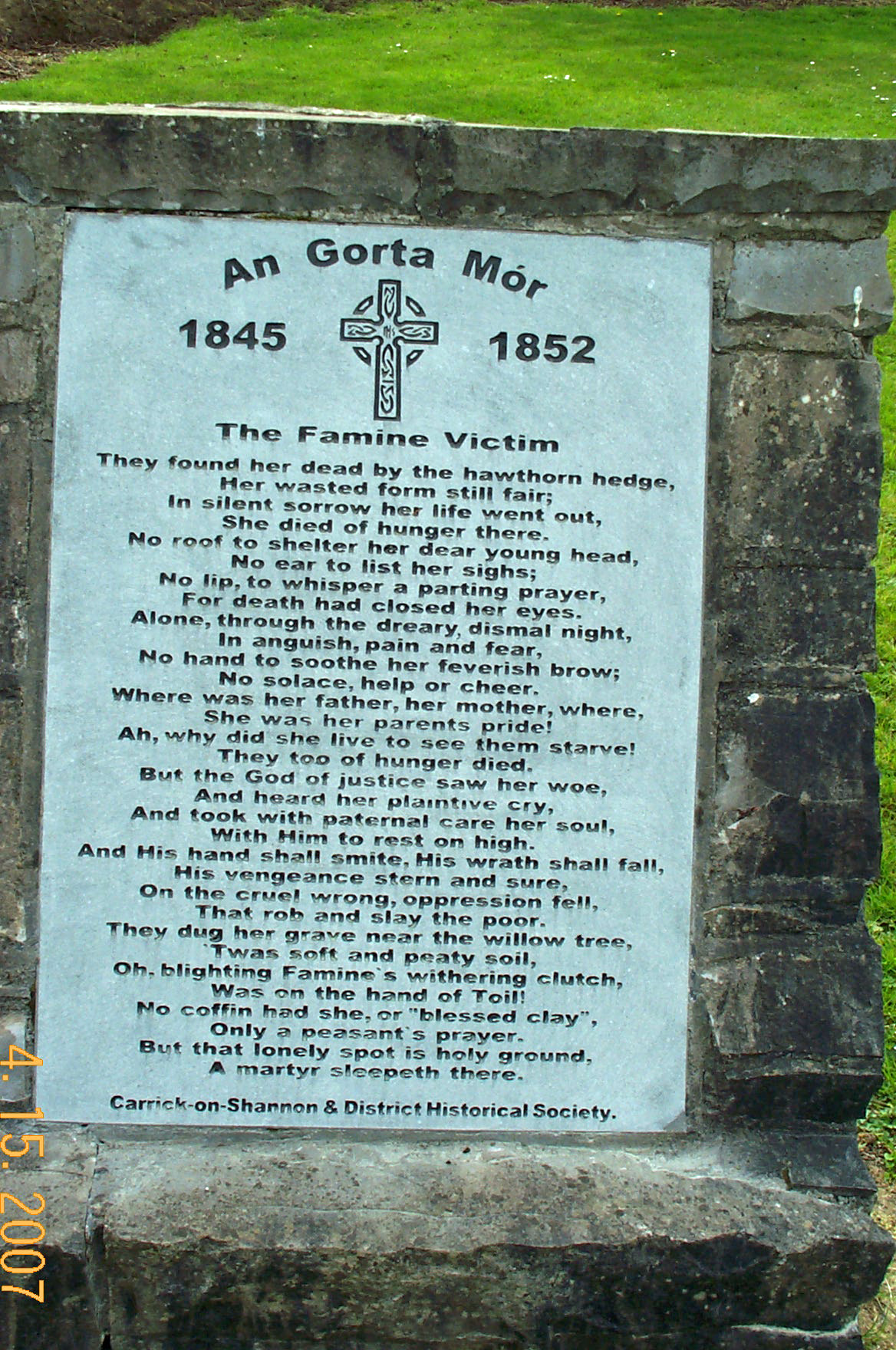
The demographic toll of the Great Famine remains staggering even in the abstract. Ireland entered the crisis with roughly 8.5 million residents; by the turn of the twentieth century, that figure had halved to around 4.4 million. During the famine years themselves, approximately one million people perished from starvation and disease, while more than a million additional souls fled the island. Between 1845 and 1855, at least 2.1 million individuals departed Ireland—a departure from a single island that historians rank among the largest in recorded history. The population contraction between 1841 and 1871 amounted to twenty to twenty-five percent, though the losses were far from evenly distributed. In the hardest-hit towns across the western and southern counties, some communities shed as much as sixty-seven percent of their inhabitants. The year 1847, remembered in Irish as 'Black '47,' marked the absolute nadir of suffering. For the communities in the Gaeltacht, the period was contemporaneously called an Drochshaol—'the bad life'—a phrase that captures the grinding, prolonged nature of the hardship rather than a single dramatic catastrophe.
Structural Vulnerabilities and the Blight
The potato blight that swept across European crops in the mid-1840s was the immediate trigger, but it struck a society already poised on the edge of collapse. Ireland's agricultural economy had become dangerously dependent on a single crop, a vulnerability compounded by the middleman system of land management that had taken root in the eighteenth century. Under this arrangement, landlords leased vast tracts to agents who sublet to tenants in ever-smaller parcels, extracting maximum rent with minimal accountability. The tenants—predominantly Catholic, making up roughly eighty percent of the population—lived in chronic poverty and insecurity, with eviction a constant threat over missed payments or a landlord's whim to convert land to sheep. The political structure offered little protection: between 1832 and 1859, seventy percent of Irish representatives in the House of Commons were landowners or the sons of landowners. One historian tallied 114 commissions and 61 special committees between 1801 and 1845, all of which warned that Ireland was teetering on the brink of mass starvation. The blight simply removed the last buffer.
The Politics of Inaction and the Export Question
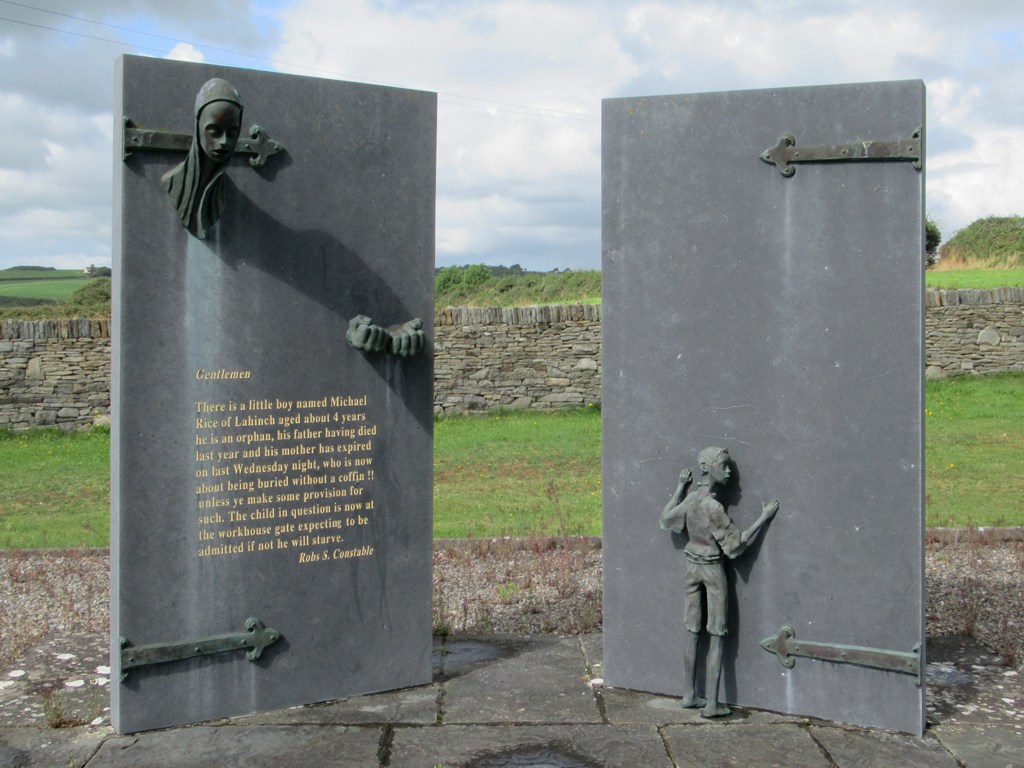
The British government's response—or rather, its deliberate non-response—deepened the catastrophe. Early measures to ease the crisis, though constructive in design, were modest in scope and were abruptly curtailed when a new Whig administration in London embraced a laissez-faire economic philosophy. Some officials within that government went further, suggesting the famine represented divine punishment or that the Irish themselves lacked the moral fortitude to survive. Perhaps most controversially, large quantities of food continued to be shipped out of Ireland throughout the famine years. London declined to prohibit these exports, a decision it had made in earlier food crises, and the continued outward flow of grain became a persistent source of outrage. At home, the workhouse system offered a grim alternative: households holding more than a quarter acre of land were barred from receiving aid, a provision that pushed tens of thousands into eviction and homelessness. Aid resumed only partially and belatedly, leaving the most vulnerable without meaningful support during the worst years.
A Century of Aftermath and National Awakening
The Great Famine did not end in 1852; its reverberations shaped Irish identity for generations. The island's demographic, political, and cultural landscape was permanently altered, with an estimated two million refugees scattered across the globe and a population decline that stretched across an entire century. For both those who remained and those in the diaspora, the famine settled into folk memory as a foundational trauma. Relations between the Irish and their British rulers deteriorated sharply, and the episode intensified ethnic and sectarian divisions while simultaneously fueling nationalism and republicanism both on the island and among emigrant communities worldwide. The political legacy proved durable: when blight returned in the 1879 famine, the Land League organized boycotts of what it called 'notorious landlords,' and its members physically stood in the way of evictions. That collective resistance reduced homelessness, curtailed house demolitions, and led to a marked drop in deaths—a stark contrast to the helplessness of the 1840s and proof that the famine's lessons had not been forgotten.
Gallery
Frequently Asked Questions
Why is Great Famine (Ireland) important?
The Famine permanently reshaped Irish demographics, culture, and national identity, effectively halving the island's population over the following decades. It remains a defining trauma in Irish history and a recurring reference point in debates about colonial governance, agricultural fragility, and mass migration.
What caused Great Famine (Ireland)?
The disaster was triggered by Phytophthora infestans, a blight organism that wiped out the potato harvests on which Ireland's rural poor depended for nearly all their nutrition. The combination of successive crop failures, inadequate state relief, and the continued export of grain to Britain turned a biological event into a prolonged humanitarian catastrophe.
More in Natural Disasters 1-15
Spotted an error? Know more?
This is a living reference — every entry is fact-audited, and reader corrections feed straight into our audit queue. Suggest an edit · See this site's audit record